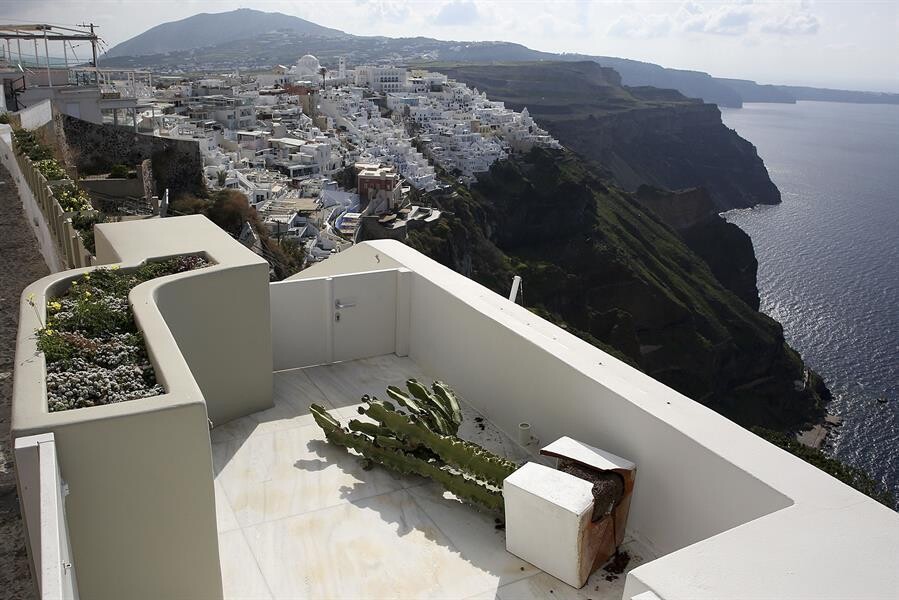
In the island of Santorini, Greece, earthquakes of up to 5.2 magnitude continue to be felt, leading to the evacuation of thousands of people in recent days. The island, famous for its volcanic caldera and its annual influx of more than three million tourists, is now practically deserted, with a reduced number of inhabitants and visitors.
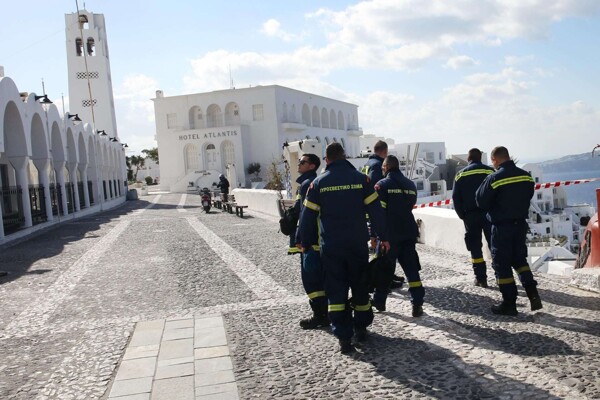
Santorini officially has around 15,000 residents, but it is estimated that another 10,000 people live there without being registered. Most inhabitants have decided to leave the island out of fear of stronger earthquakes, leaving the streets of tourist spots like Fira and Oia empty, where tranquility reigns and security measures have been intensified due to the risk of collapses.
Residents of Monó lithos are taking preventive measures by building embankments with sandbags to protect themselves from a possible tsunami, recalling the tragedy of 1956 when a giant wave caused the deaths of dozens of people. The area has experienced more than 6,400 quakes in just a few days, raising concern and alert among the population and authorities.
Experts note that the seismic activity in Santorini is due to the movement of tectonic plates in the underwater fault of Ánydros, between Santorini and Amorgos, and not to the activity of local volcanoes. Although a major earthquake is considered unlikely, it is expected that the seismic movements will continue for several weeks or even months, keeping residents and local authorities on alert.